
/* ============================================================
FoodTechPro — Comprehensive Responsive CSS
============================================================ */
/* === 1. BASE RESET & BOX-SIZING === */
*, *::before, *::after { box-sizing: border-box; }
img { max-width: 100%; height: auto; display: block; }
/* === 2. TYPOGRAPHY — Responsive Scaling === */
html { font-size: 16px; }
body {
font-size: clamp(16px, 1.8vw, 18px);
line-height: 1.75;
-webkit-text-size-adjust: 100%;
word-wrap: break-word;
overflow-wrap: break-word;
}
h1 { font-size: clamp(1.5rem, 4vw, 2.2rem); line-height: 1.3; }
h2 { font-size: clamp(1.3rem, 3.5vw, 1.8rem); line-height: 1.35; }
h3 { font-size: clamp(1.15rem, 3vw, 1.5rem); line-height: 1.4; }
h4 { font-size: clamp(1.05rem, 2.5vw, 1.25rem); line-height: 1.45; }
p, li, td, th { font-size: clamp(15px, 1.6vw, 17px); }
/* === 3. CONTAINER — Max Widths === */
.container, .site-content, .content-area, main,
.wrapper, .inner, .entry-content, .post-content,
article, .main-content {
max-width: 1200px !important;
margin-left: auto !important;
margin-right: auto !important;
padding-left: 15px !important;
padding-right: 15px !important;
}
/* Paragraph & text blocks width limit */
.entry-content p, .post-content p,
.entry-content ul, .entry-content ol,
.post-content ul, .post-content ol {
max-width: 850px;
}
/* === 4. TABLES — Scrollable on Mobile === */
table {
width: 100% !important;
max-width: 100% !important;
border-collapse: collapse;
display: block;
overflow-x: auto;
-webkit-overflow-scrolling: touch;
}
.wp-block-table, figure.wp-block-table {
overflow-x: auto;
display: block;
max-width: 100%;
}
.wp-block-table table, figure.wp-block-table table {
min-width: 100%;
}
td, th {
padding: 8px 10px;
font-size: clamp(13px, 1.5vw, 16px);
word-break: break-word;
}
/* === 5. IMAGES === */
.entry-content img, .post-content img,
.wp-block-image img, figure img {
max-width: 100% !important;
height: auto !important;
display: block;
}
figure {
max-width: 100% !important;
margin-left: auto !important;
margin-right: auto !important;
}
/* === 6. BUTTONS — Touch-friendly === */
button, .button, .btn, a.button, input[type=”submit”],
.wp-block-button__link {
min-height: 44px;
min-width: 44px;
padding: 10px 24px;
font-size: clamp(14px, 1.5vw, 16px);
line-height: 1.4;
cursor: pointer;
touch-action: manipulation;
}
/* === 7. NAVIGATION — Mobile Hamburger === */
/* Hide desktop nav on mobile, show hamburger */
@media (max-width: 768px) {
/* Force hamburger behavior */
.main-navigation, .primary-menu, .nav-menu,
nav.main-nav, .site-nav, #site-navigation,
header nav, .header-nav {
display: none;
}
/* Show hamburger toggle */
.menu-toggle, .hamburger, .mobile-menu-toggle,
#menu-toggle, .nav-toggle {
display: block !important;
}
/* Mobile menu when open */
.main-navigation.toggled, .nav-menu.toggled,
.menu-open .main-navigation, .menu-open nav {
display: block !important;
position: absolute;
top: 100%;
left: 0;
right: 0;
background: #fff;
z-index: 9999;
box-shadow: 0 4px 12px rgba(0,0,0,0.15);
}
.main-navigation.toggled li, .nav-menu.toggled li {
display: block !important;
width: 100%;
}
.main-navigation.toggled a, .nav-menu.toggled a {
display: block;
padding: 12px 20px;
border-bottom: 1px solid #eee;
font-size: 16px;
}
/* Container full width */
.container, .site-content, .content-area, main {
padding-left: 12px !important;
padding-right: 12px !important;
}
/* Sidebar below content */
.sidebar, .widget-area, aside {
width: 100% !important;
float: none !important;
clear: both;
margin-top: 30px;
}
/* Content area full width */
.content-area, .entry-content, .post-content {
width: 100% !important;
float: none !important;
}
/* Prevent horizontal scroll */
body, html {
overflow-x: hidden;
max-width: 100vw;
}
}
/* === 8. TABLET (768px – 1024px) === */
@media (min-width: 769px) and (max-width: 1024px) {
.container, .site-content, .content-area, main {
padding-left: 20px !important;
padding-right: 20px !important;
}
.content-area, .entry-content {
width: 70% !important;
float: left !important;
}
.sidebar, .widget-area, aside {
width: 28% !important;
float: right !important;
}
body { font-size: 17px; }
}
/* === 9. LAPTOP (1025px – 1366px) === */
@media (min-width: 1025px) and (max-width: 1366px) {
.content-area, .entry-content {
max-width: 780px;
margin: 0 auto;
}
.sidebar, .widget-area, aside {
width: 25%;
}
body { font-size: 17px; }
}
/* === 10. DESKTOP (1367px+) === */
@media (min-width: 1367px) {
.container, .site-content {
max-width: 1200px !important;
}
.content-area, .entry-content {
max-width: 820px;
margin: 0 auto;
}
body { font-size: 18px; line-height: 1.85; }
}
/* === 11. EMBEDS & IFRAMES === */
iframe, embed, object, video {
max-width: 100% !important;
height: auto;
aspect-ratio: 16/9;
}
/* === 12. PRE / CODE BLOCKS === */
pre, code {
overflow-x: auto;
white-space: pre-wrap;
word-wrap: break-word;
max-width: 100%;
font-size: clamp(12px, 1.3vw, 14px);
}
/* === 13. FORMS === */
input, textarea, select {
max-width: 100%;
font-size: 16px !important; /* prevents iOS zoom */
padding: 10px;
}
textarea { width: 100%; }
/* === 14. UTILITY === */
.hide-mobile { display: none; }
.hide-desktop { display: block; }
@media (min-width: 769px) {
.hide-mobile { display: block; }
.hide-desktop { display: none; }
}
/* === 15. PRINT === */
@media print {
body { font-size: 12pt; line-height: 1.5; }
nav, .sidebar, .widget-area, footer, .comments { display: none; }
.content-area, .entry-content { width: 100% !important; float: none !important; }
img { max-width: 100% !important; page-break-inside: avoid; }
a[href]::after { content: ” (” attr(href) “)”; font-size: 10pt; }
}
ISO Standards for the Food Industry: Ensuring Quality and Safety
<span id=

The food industry is one of the most regulated industries in the world, with a wide range of standards and guidelines in place to ensure the safety and quality of food products. One of the most widely recognized and respected sets of standards in the food industry is the International Organization for Standardization (ISO) standards. In this blog post, we will take a closer look at ISO standards for the food industry and understand how they ensure the safety and quality of food products.
ISO 22000: Food Safety Management Systems
By FoodTechPro Editorial Team
ISO 22000 is a standard for food safety management systems. It is designed to help organizations in the food industry establish, implement, maintain, and improve an effective food safety management system. The standard covers all aspects of the food chain, from primary production to final consumption, and it is applicable to all organizations involved in the food chain, regardless of size or type.
ISO 22000 requires organizations to have a Hazard Analysis and Critical Control Points (HACCP) system in place, which is a systematic approach to identifying, assessing, and controlling hazards that could affect the safety of food products. The standard also requires organizations to have a management system in place to control food safety hazards, including the establishment of policies and procedures, training and communication, and monitoring and measurement.
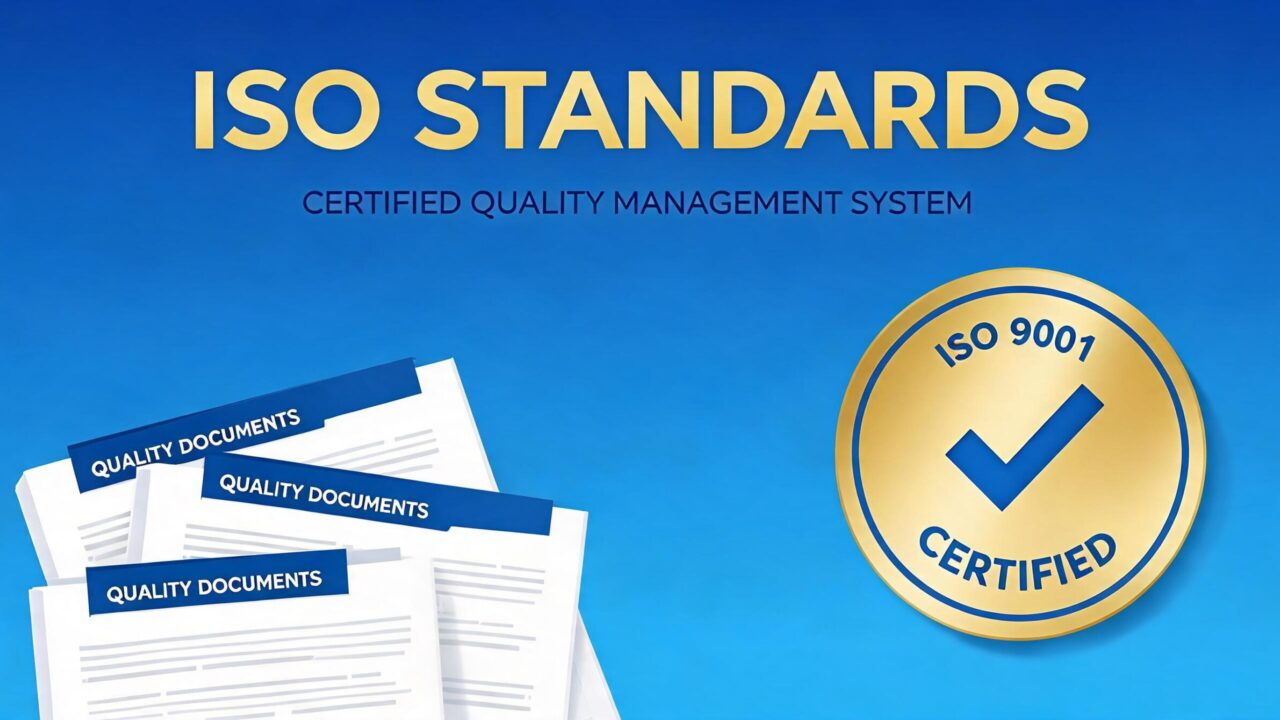
ISO 9001 is a standard for quality management systems. It is designed to help organizations in the food industry establish, implement, maintain, and improve an effective quality management system. The standard applies to all types of organizations involved in the food chain, including primary producers, processors, manufacturers, distributors, and retailers.
ISO 9001 requires organizations to have a quality management system in place that includes a set of processes and procedures for managing quality. The standard also requires organizations to establish quality objectives, implement a process for continuous improvement, and conduct internal audits to ensure compliance with the standard.
ISO 14001: Environmental Management Systems
ISO 14001 is a standard for environmental management systems. It is designed to help organizations in the food industry establish, implement, maintain, and improve an effective environmental management system. The standard applies to all types of organizations involved in the food chain, including primary producers, processors, manufacturers, distributors, and retailers.
ISO 14001 requires organizations to have an environmental management system in place that includes a set of processes and procedures for managing environmental impacts. The standard also requires organizations to establish environmental objectives, implement a process for continuous improvement, and conduct internal audits to ensure compliance with the standard.
Benefits of ISO Standards
ISO standards provide a number of benefits to organizations in the food industry. Some of the key benefits include:
-
Improved food safety and quality: ISO standards help organizations identify and control food safety hazards and improve the quality of food products.
-
Enhanced reputation and credibility: Organizations that are certified to ISO standards are recognized as being committed to food safety and quality, which can enhance their reputation and credibility in the marketplace.
-
Increased efficiency and cost savings: ISO standards help organizations streamline their operations, improve processes, and reduce costs.
-
Better compliance with regulations: ISO standards help organizations comply with a wide range of food safety and quality regulations, which can reduce the risk of fines and penalties.
Conclusion
In conclusion, ISO standards are an important tool for organizations in the food industry. They help organizations establish, implement, maintain, and improve effective food safety and quality management systems, which in turn can enhance the reputation and credibility of the organization, increase efficiency and cost savings, and help with regulatory compliance. Organizations that are certified to ISO standards are recognized as being committed to food safety and quality.
What are the HACCP Principles and How are they Used in Food Safety Management?
Editorial Note: This article was originally published on FoodTechPro and has been updated for accuracy. The information provided is for educational and informational purposes only. Always refer to the latest FSSAI regulations, ISO standards, and official government publications for current compliance and safety requirements. FoodTechPro does not provide legal or professional advice. Consult a qualified professional for guidance specific to your business.
— Prashant Chavhan, Founder & Editor, FoodTechPro.co.in
Related Reading
Explore more articles on FoodTechPro:
- ISO 22000:2018 Certification India 2026: Complete Step-by-Step Guide
- ISO 22000: A Global Food Safety Management System Standard
- HACCP vs ISO 22000 vs FSSC 22000: Which Food Safety Certification is Right for Your Business?