

The Benefits and Multipurpose of Black Rice.
Compared with other types of rice, black rice is one of the highest in protein (3Trusted Source, 4Trusted Source, 5Trusted Source, 6Trusted Source).
Per 3.5 ounces (100 grams), black rice contains 9 grams of protein, compared with 7 grams for brown rice (3Trusted Source, 5Trusted Source).
It’s also a good source of iron — a mineral that’s According to the World Health Organization (WHO) essential for carrying oxygen throughout your body (7Trusted Source)
A 1/4 cup (45 grams) of uncooked black rice provides (3Trusted Source):
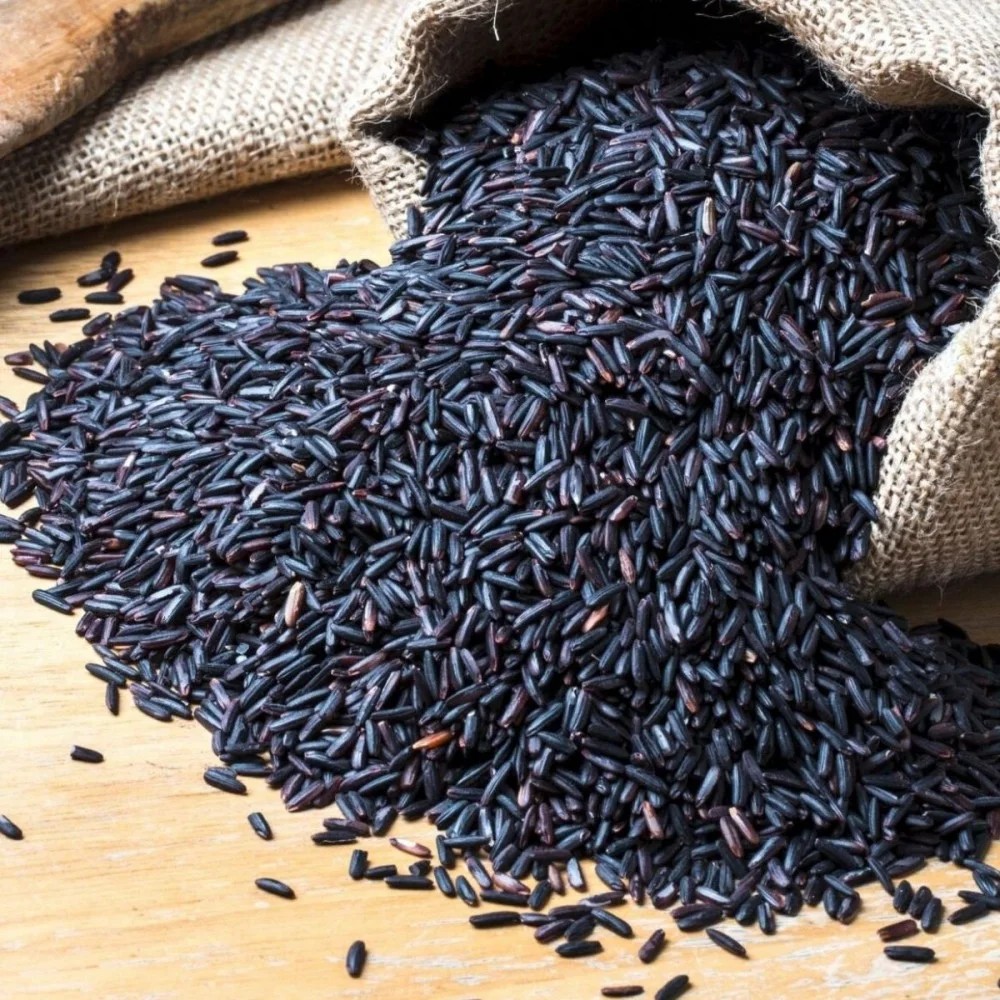
Black rice, or forbidden rice or purple rice, is a whole grain. It has gained popularity recently due to its numerous health benefits and unique taste. Historically, it was considered a luxury food and was only consumed by Chinese royalty. It is widely available in many parts of the world and used in a variety of dishes, from salads to desserts.
Appearance and Taste:
By Prashant Chavhan
It is known for its distinctive dark color, which comes from a pigment called anthocyanin. This pigment is also found in other purple or blue foods like blueberries, blackberries, and purple grapes. When cooked, black rice turns a deep purple color and has a nutty flavor and chewy texture. It also has a sweet taste that some people compare to wild rice.
Nutrition:
Type of rice is considered a superfood because it contains nutrients, antioxidants, and fiber. Black rice is a source of protein, carbohydrates, and healthy fats, & contains essential vitamins and minerals such as iron, magnesium, and zinc.
Black rice also has a low glycemic index and can cause a sharp spike in blood sugar levels.
Health Benefits:
Black rice has numerous health benefits, including
1. Reducing heart disease, diabetes, and obesity.
2. Black rice’s antioxidants help to neutralize free radicals in the body.
3. These radicals can cause cellular damage and contribute to chronic diseases.
4. Black rice fiber also lowers cholesterol levels and improves digestion.
Uses in cooking:
Black rice can be combine into a variety of dishes, both savory and sweet. It can be used in many recipes, and is especially delicious in rice salads or pilafs. Black rice can also be added as a base for porridge, pudding, or other desserts. Some people even use black rice flour to make gluten-free baked goods.
How to Cook Black Rice:
To cook black rice, rinse rice in cold water and drain. Add two cups of water or broth for every cup of rice and bring to a boil. Reduce the heat and simmer for about 30-35 minutes, or until the rice is tender and the water has been absorbed. Let the rice rest for a few minutes before fluffing with a fork and serving.
In conclusion,
Type of rice is a versatile and nutritious & superfood. whole grain that adds unique flavor and color to any dish. Its health benefits make it an excellent choice for anyone looking to improve their diet.
Its delicious taste makes it a popular ingredient in many cuisines around the world. Give black rice a try, and you may be pleasantly surprised at how much you enjoy it!
Black Wheat: Unique and Nutritious Crop.
Frequently Asked Questions
What is the full form of FSSAI?
FSSAI stands for Food Safety and Standards Authority of India. It is the apex food regulatory body under the Ministry of Health and Family Welfare.
What is HACCP?
HACCP stands for Hazard Analysis and Critical Control Point. It is a systematic preventive approach that identifies, evaluates, and controls food safety hazards.
What is ISO 22000?
ISO 22000 is an international standard for food safety management systems that specifies requirements for any organization in the food chain to ensure food safety.
Related Reading
Explore more articles on FoodTechPro:
- Top "Iron-Nutrient-Rich Soil" Foods from India for Your Body!
- Best Protein powder for pregnant women: 9 safe and pocket-friendly choices
- Diet Chart For Polycystic Ovarian Disease (PCOD)
Black Rice vs Brown Rice vs White Rice: Nutritional Comparison
| Nutrient (per 100g cooked) | Black Rice | Brown Rice | White Rice |
|---|---|---|---|
| Calories | 160 | 111 | 130 |
| Fiber | 4.9g | 1.8g | 0.4g |
| Anthocyanins (antioxidants) | High (gives black/purple color) | Low | None |
| Protein | 5.0g | 2.6g | 2.7g |
| Iron | 3.5mg | 0.6mg | 0.2mg |
| Glycemic Index | 42.3 (Low) | 50 (Medium) | 73 (High) |
Sources: USDA Food Data Central, Journal of Food Science and Technology (2021), FSSAI Nutri-Info
FAQ
What is 4 benefits and versatility of black rice.?
4 Benefits and Versatility of Black Rice. refers to the process/technique/concept discussed in this article. It plays an important role in the food processing industry.
Why is standard important in food processing?
4 Benefits and Versatility of Black Rice. (standard) is crucial in food processing because it directly impacts product quality, efficiency, and safety standards in the industry.
What are the main benefits of product?
The key benefits include improved operational efficiency, better product quality, cost savings, and enhanced food safety compliance.
How does 4 Benefits and Versatility of Black Rice. work?
4 Benefits and Versatility of Black Rice. works by applying established principles of food processing technology. The specific mechanism depends on the application and equipment used.
What equipment is needed for safety?
The equipment required depends on the scale of operation. Common setups include industrial-grade machinery designed for consistent performance and food safety compliance.
What are common challenges with standard?
Common challenges include maintaining consistent quality, managing operational costs, ensuring regulatory compliance, and training staff properly.
How to choose the right product solution?
Choosing the right solution depends on your production volume, budget, quality requirements, and regulatory standards. Consulting with industry experts is recommended.
References
- FSSAI Official Website – Food Safety and Standards Authority of India
- Food Safety and Standards Act, 2006 – FSS Act
- WHO Food Safety – World Health Organization
- FAO Food Safety – Food and Agriculture Organization
- Codex Alimentarius – Codex Alimentarius Commission
- ISO 22000:2018 – International Organization for Standardization
- PubMed Central – National Library of Medicine
Black Rice vs Brown Rice vs White Rice: Nutritional Comparison
| Nutrient (per 100g cooked) | Black Rice | Brown Rice | White Rice |
|---|---|---|---|
| Calories | 160 | 111 | 130 |
| Fiber | 4.9g | 1.8g | 0.4g |
| Anthocyanins (antioxidants) | High | Low | None |
| Protein | 5.0g | 2.6g | 2.7g |
| Iron | 3.5mg | 0.6mg | 0.2mg |
| Glycemic Index | 42.3 (Low) | 50 (Medium) | 73 (High) |
Sources: USDA Food Data Central, Journal of Food Science and Technology (2021), FSSAI Nutri-Info